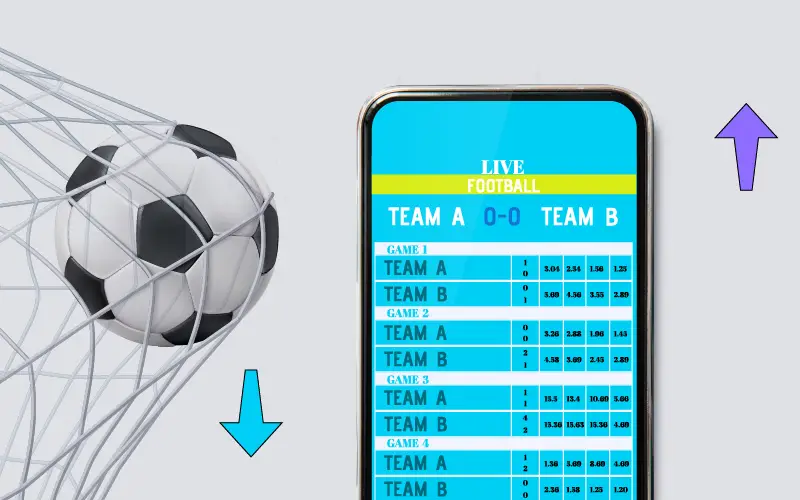
What Betting Odds Represent
Betting odds are the foundation of sports betting. They show how likely an event is to happen and determine how much you can win from a bet. Every set of odds reflects both probability and potential payout.
Understanding odds is essential because profitable betting is not about predicting winners alone, but about recognizing when the odds offer value compared to actual probabilities.
The Main Types of Betting Odds
There are three primary formats used in online betting. Each represents the same information but is displayed differently depending on the region.
- Decimal odds (e.g., 2.50) – common in Europe and easy to calculate
- Fractional odds (e.g., 3/2) – popular in the UK
- American odds (e.g., +150 or -200) – widely used in the US
All formats can be converted into each other, and they all represent implied probability.
How to Read and Calculate Odds
Understanding how odds translate into payouts is crucial for making informed bets.
Decimal Odds Calculation
Decimal odds show the total return, including your stake. For example, a $10 bet at odds of 2.00 returns $20 ($10 stake + $10 profit).
Implied Probability
Odds also represent probability. You can estimate it by converting the odds into percentages. Lower odds indicate a higher probability, while higher odds suggest less likely outcomes.
Why Odds Change Over Time
Betting odds are not fixed. They shift based on various factors, including betting volume, new information, and bookmaker adjustments.
Market Influence
When many bettors place money on one outcome, bookmakers adjust the odds to balance risk. This ensures they maintain a profit margin regardless of the result.
External Factors
Injuries, weather conditions, and team news can all impact odds. Staying updated on these factors helps bettors identify opportunities before odds change.
Bookmaker Margin and House Edge
Bookmakers build a margin into odds to guarantee profit over time. This is known as the “overround.”
- Odds are slightly lower than true probability
- The margin ensures the bookmaker’s advantage
- Different bookmakers offer slightly different odds
- Comparing odds can reduce the impact of the margin
Understanding this concept helps bettors make smarter decisions and find better prices.
Value Betting Explained
Value betting is the key to long-term success. It involves finding odds that are higher than the true probability of an event.
Identifying Value
If you believe an outcome has a higher chance of occurring than the odds suggest, that bet has value. This requires research, analysis, and a clear understanding of probabilities.
Long-Term Perspective
Value bets may not win immediately, but consistently placing them leads to profit over time. This approach separates strategic bettors from casual players.
Common Mistakes When Interpreting Odds
Many beginners misunderstand how odds work, leading to poor decisions.
- Focusing only on potential payouts
- Ignoring implied probability
- Betting on favorites without considering value
- Misinterpreting odds formats
Avoiding these mistakes improves decision-making and overall performance.
How to Use Odds Effectively
Using odds effectively means combining them with analysis and strategy. Odds should guide your decisions, not replace research.
Comparing odds across different bookmakers helps identify better value. Even small differences can have a significant impact over time.
Successful bettors treat odds as a tool for evaluating opportunities rather than simply a way to calculate winnings.